Polyurethane casting is a prototype manufacturing process that can be completed with a short lead time compared to other manufacturing methods. This process involves creating a pattern (master model), creating a mold, pouring resin into the mold, and curing it. Below are the basic steps in polyurethane casting production.
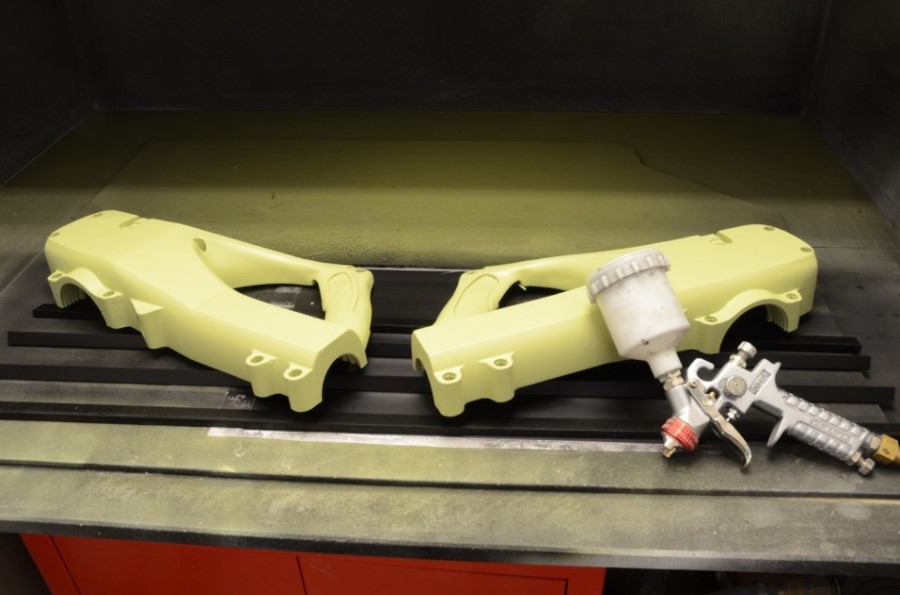
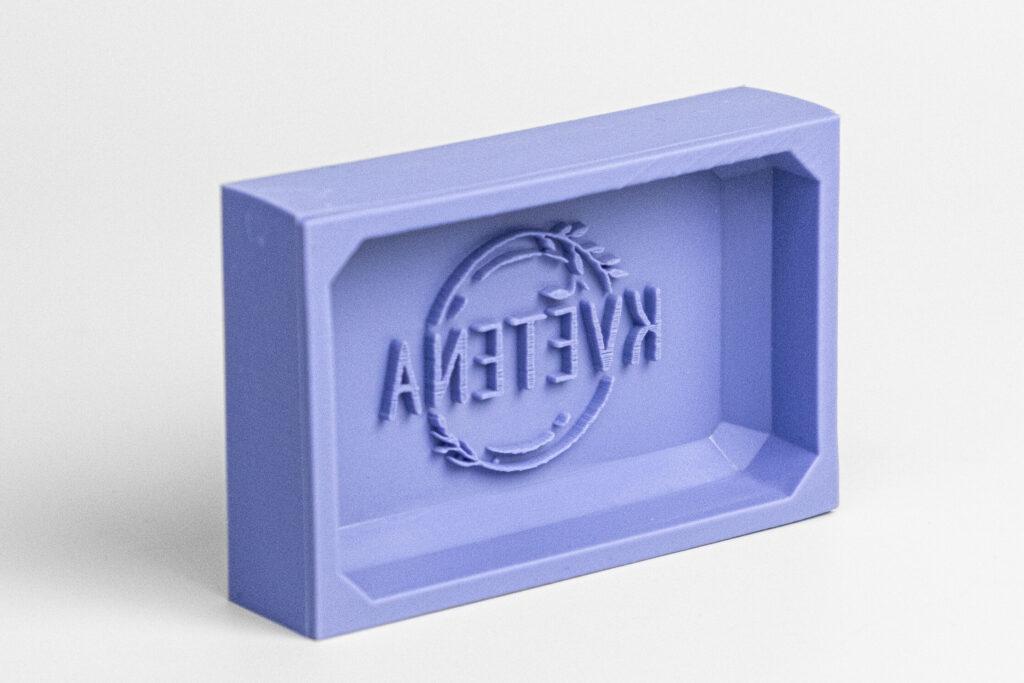
Fig. 1.: FDM 3D printing, PETG material + manual surface finishing.
Creating a silicone mold
Silicone compound is typically supplied as a viscous liquid of siloxane polymer. This polymer will then be combined with a crosslinking agent and catalyst. Creating a semi-solid material from this siloxane liquid is performed by a process called „two-component room temperature vulcanization (RTV-2)“. This method can be either condensation or addition.
When preparing a silicone mold, a molding container/frame is created to hold the poured silicone. This container is similar to the frame used in sand casting of metals.
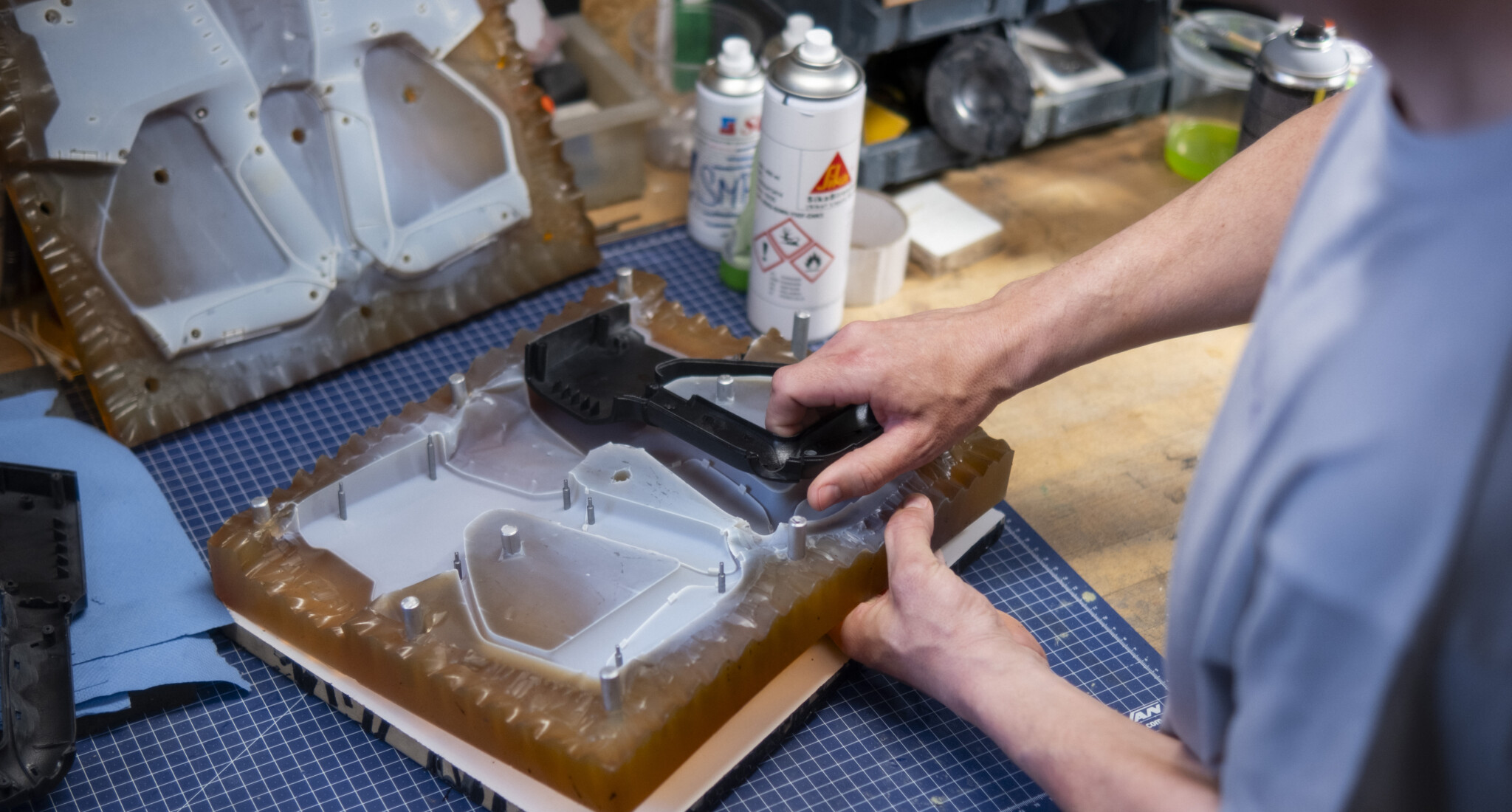
After preparing the container, the main pattern (master model) is placed in the mold box, where the molding silicone is poured. This process can be divided into single-stage, two-stage, or shell:
Single-stage process, also known as „book-mold“, requires suspending the main pattern inside the mold box. The silicone mixture is poured into the molding box until the entire pattern is completely covered. Finally, after the mold cures, the silicone block is cut in two to remove the master model.
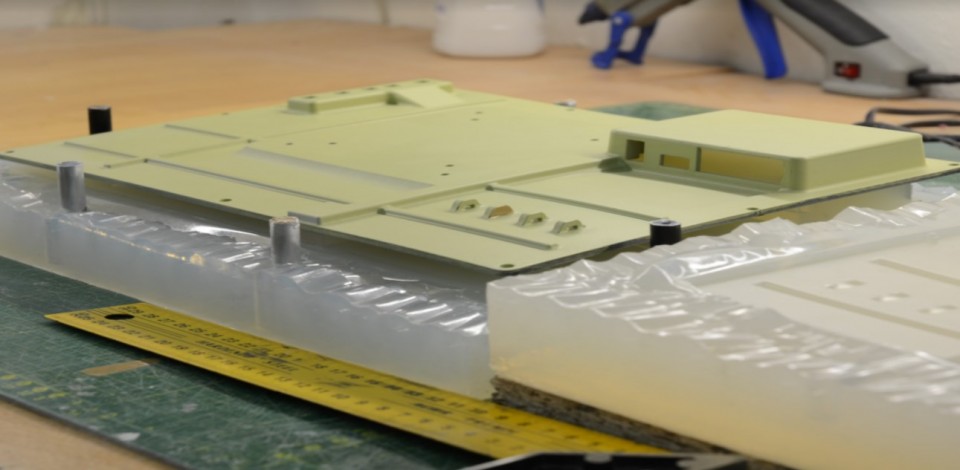
Fig. 2.: Master model removed from silicone mold
Two-stage process utilizes a parting line incorporated into the master model. With this method, the mold container is filled with silicone limited only to the parting plane. After the silicone cures, the pattern is removed. This procedure will be the same when preparing the remaining mold parts.
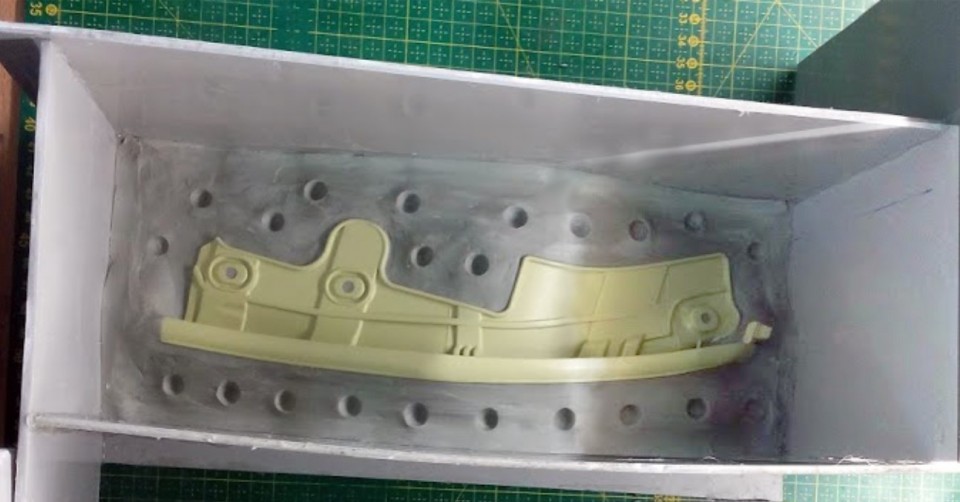
Fig. 3.: Illustrated two-stage mold production process. It is mainly used when precisely defining the parting line.
Shell is a process of applying silicone mixture layer by layer onto the master model until the desired thickness is reached. The silicone is then filled with plaster or covered with support material that holds the shell shape after removing the master model.
After the silicone cures, the flexible mold production is complete, which has partial self-separating properties and will not easily bond with polyurethane. The use of a release agent is therefore optional. If the silicone mold is intended for repeated use, it is best to use a release agent before starting the casting process.
Urethane casting
Once the silicone mold is made, it is time to choose the right polyurethane resin. A wide range of casting resins is available, each offering a unique set of mechanical properties. Formulating the correct polyurethane resins and curing kits is essential to obtaining the desired finished product.
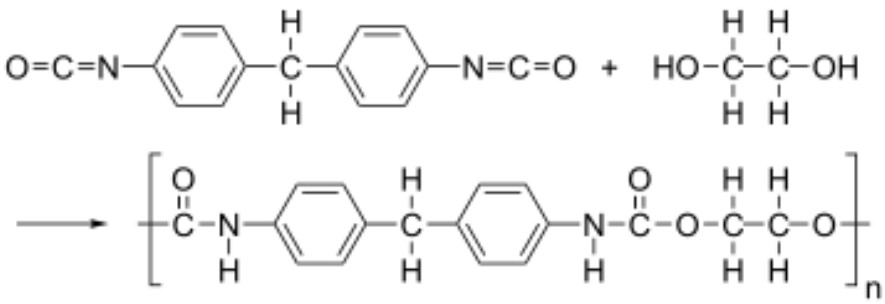
Fig. 4.: Chemical reaction of two-component polyurethane.
The casting process involves mixing two chemicals, resin and hardener. These liquids must chemically react to harden and form the shape of the part. Depending on the appropriate mixing method, the resin and hardener are pre-mixed in a container. This mixture is degassed in a vacuum to remove all air bubbles trapped during mixing. The mixture is then introduced into the mold either by pouring or injection, where pouring simply uses gravity to fill the empty space inside the mold, while injection requires the use of equipment such as an injection piston or vacuum chamber to force the mixture into the mold.
Once the polyurethane is cured, the cast part can be removed from the mold. Depending on the requirements for the finished part, the cast part may be subject to secondary processing. Some examples of secondary processes are surface finishing adjustments, hole drilling, pocket milling inside the part, or pressing threaded inserts. During these secondary processes, it is important to work very carefully, as they could compromise the structural integrity of the part.
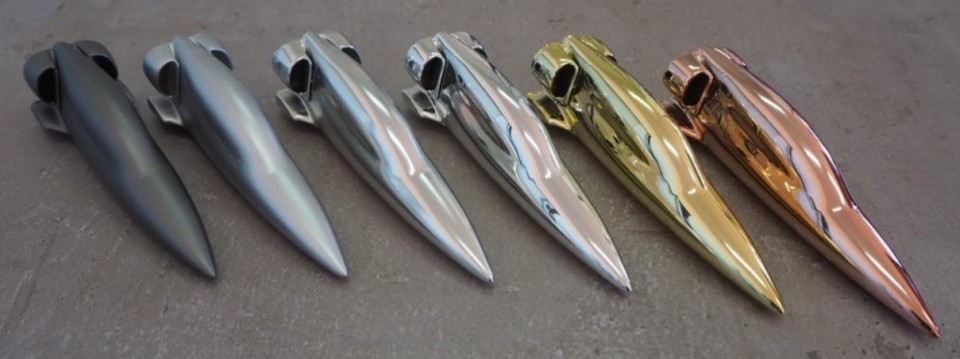
Fig. 5.: Surface finishing options for polyurethane castings.
Article for Protocast s.r.o. written by Canadian writer John Hamlin engaged in modern technologies in mechanical engineering.
Our technologies
- How are polyurethane castings made?
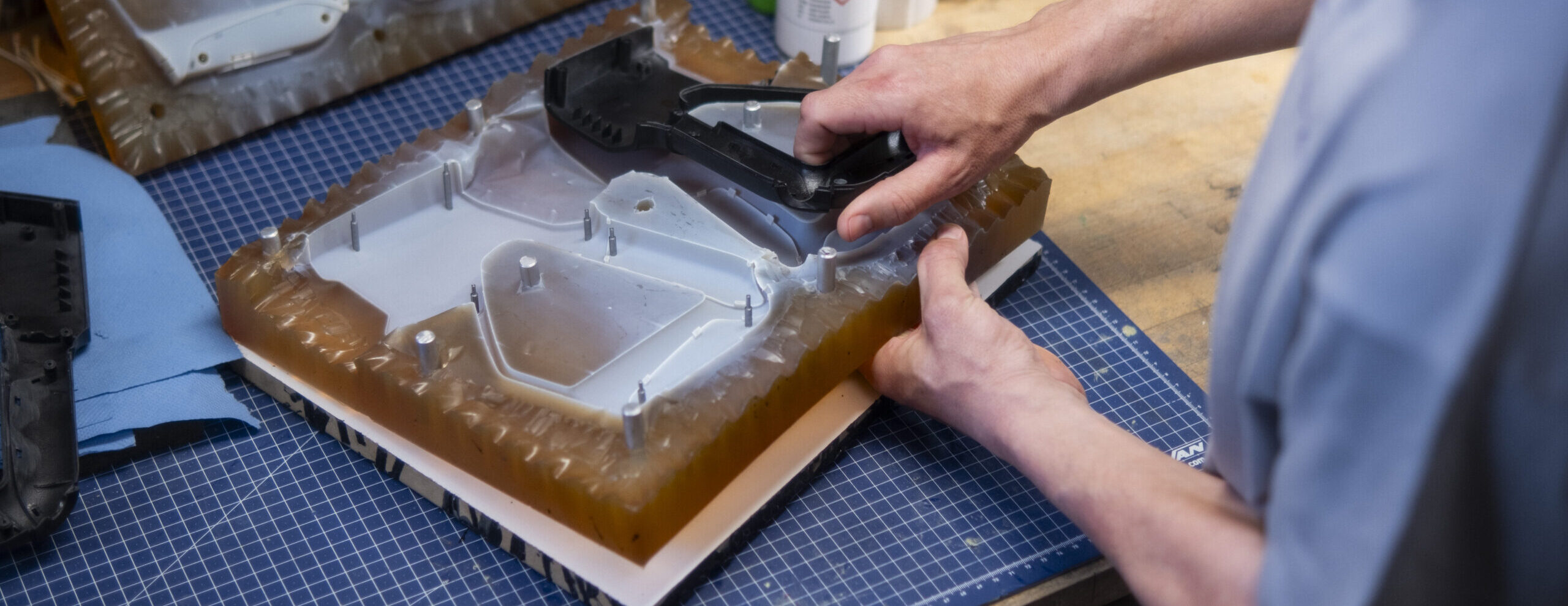
 Polyurethane casting is a prototype manufacturing process that can be completed with a short lead time compared to other manufacturing methods. This process involves creating a pattern (master model), creating a mold, pouring resin into the mold, and curing it. Below are the basic steps in polyurethane casting production. Fig. 1.: FDM 3D printing, PETG… Číst dále: How are polyurethane castings made?
Gallery